A new profile of the Princess of Wales suggests that Catherine — fresh from a deeply personal year and widely admired by the British public — is redefining what it means to be a future queen. According to insiders and royal commentators, Kate’s popularity has soared following her cancer treatment and remission, with many now describing her as one of the most compelling figures in the modern monarchy. Her blend of empathy, poise and advocacy is prompting observers to speculate not just about her public role, but about the kind of queen she might become.
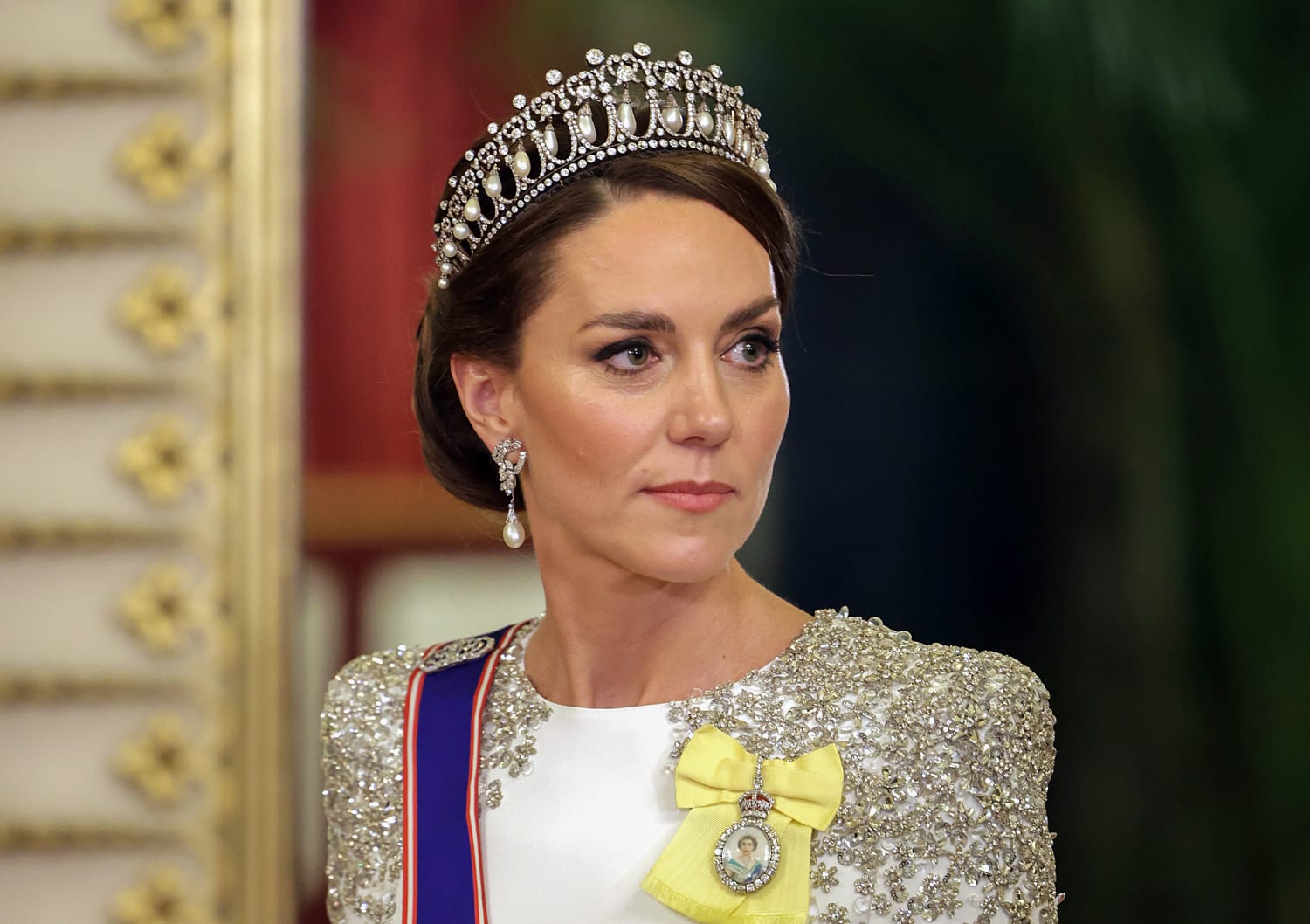
Described by friends and aides as someone who truly listens and is deeply tuned in to people’s lives, the Princess has channeled her focus into causes such as early childhood development and emotional well-being — areas that reflect a more personal, human connection rather than traditional ceremonial duties. Supporters argue this approach, rooted in compassion and grounded in lived experience, could define her reign more than any formal title ever could. :max_bytes(150000):strip_icc():focal(734x159:736x161)/Kate-Middleton-and-Queen-Camilla-050723-split-2a5902bcfb2e442fad11c3760c053c08.jpg)
Kate’s journey has not been without challenge. Her public battle with cancer and careful, deliberate return to royal duties showcased resilience under pressure — a quality that royal experts say will be central to her role as queen consort. Royal biographers note she brings both heart and head to her work, navigating public expectation and private healing with equal strength. :max_bytes(150000):strip_icc():focal(999x0:1001x2)/queen-elizabeth-191-560ce637130d4a1ebc55be2a5d606ff9.jpg)
This shift — from princess to prospective queen who might lead with empathy ahead of ceremony — has sparked debate among royal watchers about whether Kate will reshape the monarchy’s image and expectations in ways that extend beyond palace walls. As the world watches and waits, one question persists: is the monarchy quietly evolving with her at its center?