A Slow Unraveling: How The Pitt Carefully Built Suspicion Around Langdon’s Season 2 Arc
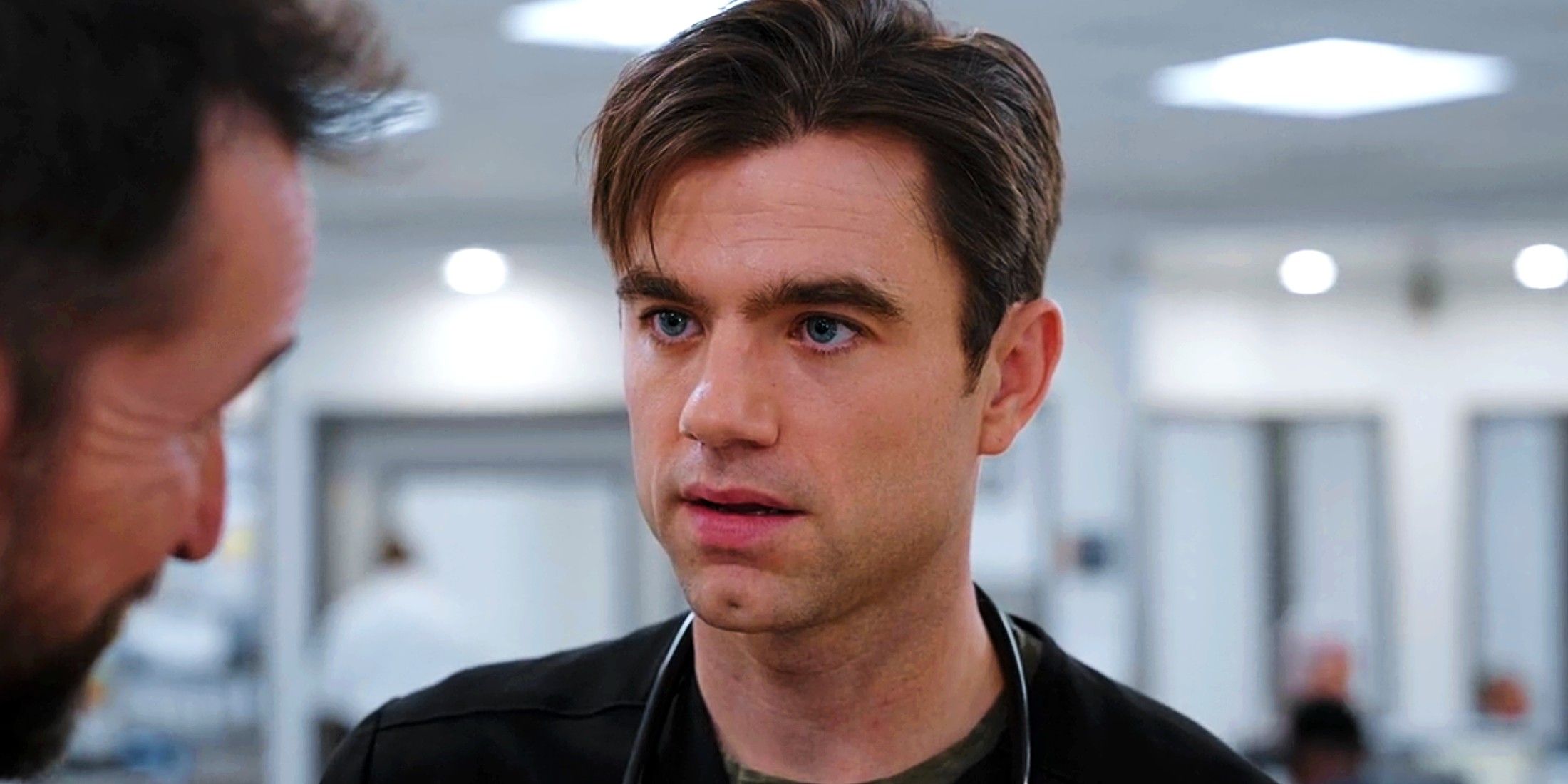
Among the many storylines fueling conversation around Season 2 of The Pitt, few have generated as much scrutiny as the subtle transformation of Dr. Frank Langdon. Across online forums, fan analyses, and social media debates, viewers have been piecing together what many believe is a deliberately crafted narrative hinting at a possible addiction struggle.
Rather than relying on a single dramatic reveal, the series appears to be using a gradual escalation of behavioral cues, performance nuances, and mounting workplace pressure to shape audience perception.
Early Clues Hidden in Routine Fatigue

The first hints emerged quietly. In Episode 1, Langdon’s request to change shifts — paired with his admission that he had been struggling to sleep — initially seemed like a familiar depiction of emergency room burnout. However, as the season progressed, fans revisiting these scenes began interpreting them as the first signs of a deeper issue.
By Episode 2, viewers were already noting shifts in his emotional stability. A tense exchange with a nurse followed by an unusually intense apology sparked discussion about whether the character was experiencing internal turmoil. Some healthcare professionals participating in online conversations suggested that such mood swings could resemble the psychological strain linked to medication dependency or withdrawal.
Physical Signals and Growing Confidence
Episodes 3 and 4 introduced more visible behavioral changes. Observant fans pointed to moments of excessive perspiration, subtle tremors, and increasingly assertive — sometimes aggressive — medical decision-making.
These developments remained ambiguous within the narrative itself, but the consistency of physical performance details began fueling speculation that Langdon’s confidence might be masking underlying instability.
Warning Signs Begin to Escalate

A pivotal moment arrived in Episode 5, when Langdon nearly misinterpreted a lab result before being corrected by a colleague. The scene triggered widespread online debate, with many viewers identifying it as the first instance where his condition appeared to threaten patient safety.
By Episode 6, audiences were also noticing recurring visual motifs, particularly his frequent checking of his coat pocket. Some interpreted the gesture as a potential form of foreshadowing — a silent clue embedded within the show’s visual storytelling.
In Episode 7, his interactions with critically ill patients took on a colder, more mechanical tone. The contrast between his clinical detachment and the empathy typically expected in emergency medicine further intensified fan concern.
Turning Points and Heightened Suspicion
For many viewers, Episode 8 marked a significant shift in how Langdon’s arc was perceived. His disproportionately intense reaction to a pediatric cannabis ingestion case prompted theories that the character might be projecting his own fears or guilt.
By Episode 9, speculation had coalesced into a broader consensus. Visible discomfort, impatience with colleagues, and wary glances — especially from Dr. Santos — were interpreted as narrative signals that the storyline was approaching a critical phase.
Episode 10: Crisis Looming
Discussion reached a peak following Episode 10, which featured more pronounced physical strain during a medical procedure and abrupt emotional fluctuations. Fans noted the camera’s sustained focus on Langdon’s condition, reading it as a deliberate storytelling choice suggesting an impending breaking point.
Many online commentators described the episode as a potential “point of no return,” speculating that the writers could be building toward a major medical error, an intervention by fellow doctors, or a personal collapse.
Why the Storyline Resonates
:max_bytes(150000):strip_icc()/ThePitt-040825-04-f838fa23ba4048588125a113bdd65a24.jpg)
Part of the arc’s impact lies in its restraint. By avoiding overt confirmation and instead layering clues through performance and environment, The Pitt invites viewers to engage actively with the narrative. This slow-burn technique has drawn comparisons to earlier medical dramas that explored addiction through prolonged character deterioration rather than sudden crisis.
Critics have noted that such storytelling can deepen emotional investment while also highlighting systemic pressures faced by healthcare professionals in high-stakes environments.
What Lies Ahead for Langdon?
As Season 2 moves forward, speculation about Langdon’s fate remains intense. Popular fan theories range from a near-fatal clinical mistake followed by redemption, to formal professional scrutiny or even a self-initiated decision to step away from practice.
Whatever direction the series ultimately takes, the character’s gradual decline has already emerged as one of the most psychologically complex threads of the season. Through subtle acting choices and steadily rising narrative tension, The Pitt has transformed small, easily overlooked details into a storyline that continues to captivate and unsettle its audience.